
A Forgotten Lowerhouse Star: James Heap Revisited
New Insight into a Remarkable Lowerhouse Career
Thanks to our historian Anne Cochrane, new light has been shed on one of Lowerhouse Cricket Club’s most intriguing early players – James Heap.
Some months ago, Anne acquired a postcard featuring the 1904 Lancashire Championship-winning side. The image includes a clear likeness of James Heap – a player already familiar to many through Paul Hargreaves’ excellent profile:
Read the original James Heap profile
What followed was a deep dive into the archives, sparked by Paul’s recent “Lowerhouse Then” research into the early 1900s. While Paul chose not to update his original profile, he did highlight an important piece of the story – Heap’s role in the 1900 Lowerhouse Second Eleven Championship-winning side.
The 1900 Second Eleven Success
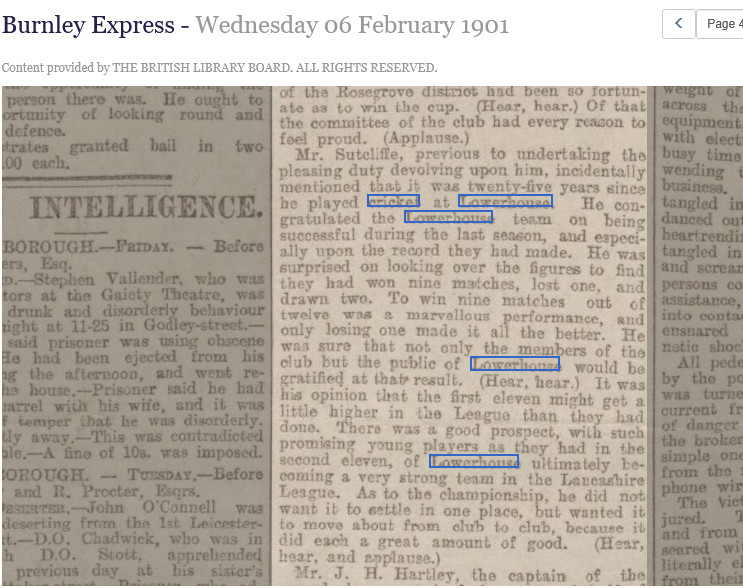
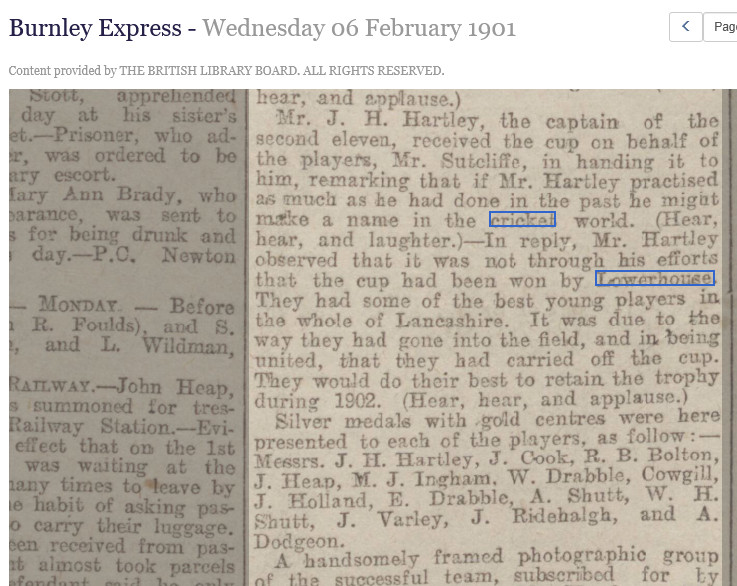
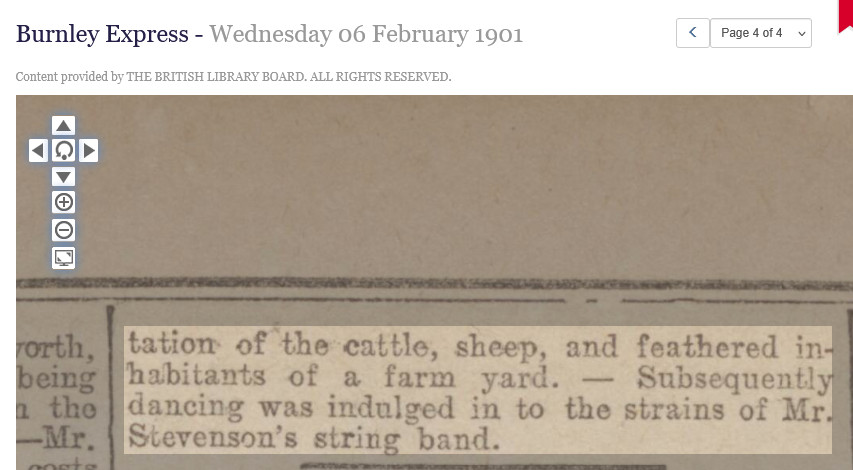
At just 18 years old, Heap played a significant part in Lowerhouse’s Second Eleven triumph in 1900. Records from the club’s AGM and contemporary newspaper reports confirm the achievement, noting that players were awarded medals and that a framed team photograph once existed.
Where those medals and that photograph are today remains a mystery – another fascinating thread in the club’s rich history.
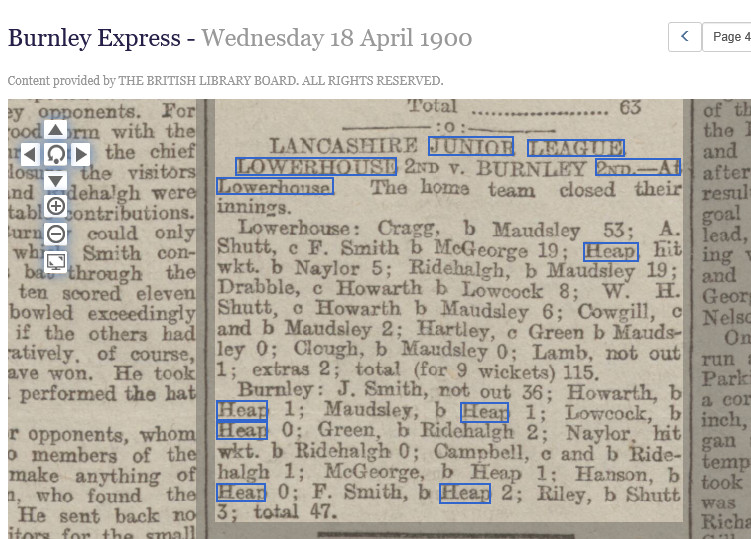
Additional reports from the time also highlight Heap’s on-field performances, including a standout match against Burnley where he claimed five wickets.
A Career Beyond Lowerhouse
The more we uncover about James Heap, the clearer it becomes that his cricketing journey was exceptional – particularly for a player who began life as a local weaver.
James Heap – Career Timeline:
- 1882: Born in Lowerhouse (12th August)
- Early years: Worked in the weaving industry
- 1900: Key member of Lowerhouse Second Eleven Championship side
- 1901: Progressed into the First Eleven
- 1902: Selected to play for Lancashire Second Eleven
- 1903: Joined Lancashire ground staff (June)
- 1921: Retired from Lancashire
- Post-career: Held prestigious coaching roles at public schools
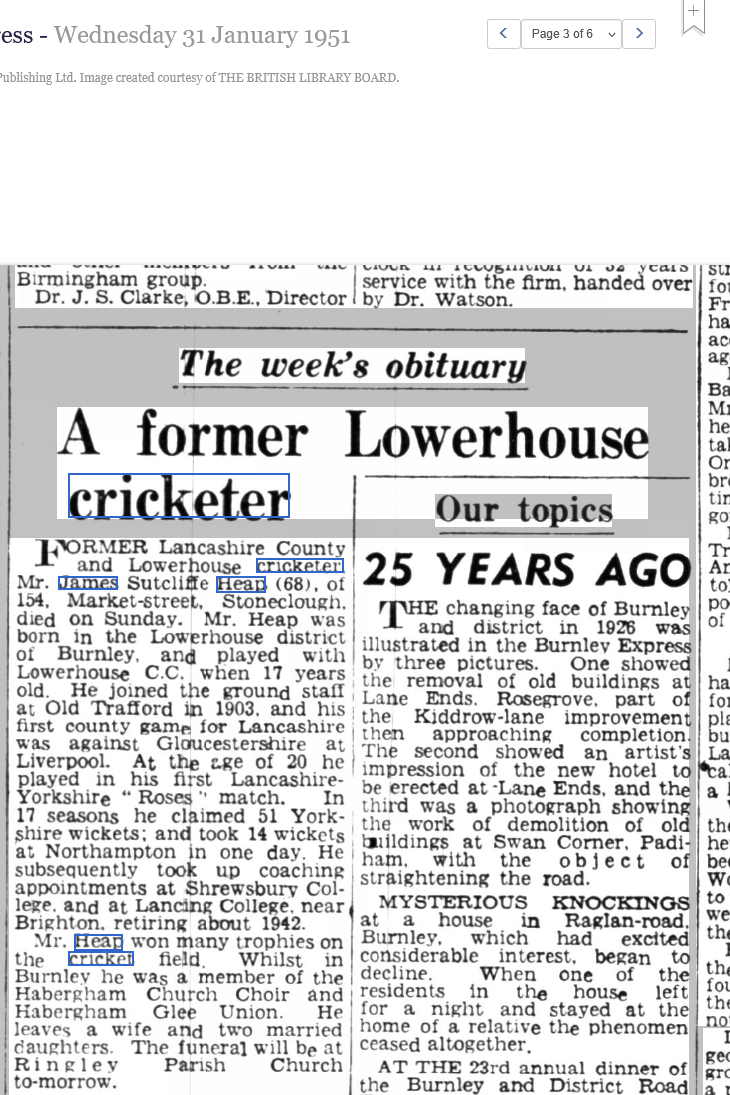
- 1951: Passed away in Kearsley, Bolton
Heap is believed to be the only Lowerhouse-born player to have enjoyed a professional career with Lancashire – a remarkable achievement for the era.
The 1904 Lancashire Team

The postcard itself offers a fascinating snapshot of cricket at the time. The team reflects the traditional divide between “Gentlemen” (amateurs) and “Players” (professionals), with professionals listed only by surname – a reminder of the social structure within the game.
The side also featured two Australian cricketers, one amateur and one professional, highlighting the early international influences within county cricket.
What Next?
There is still more to uncover about James Heap. Further research into census records and historical documents may yet reveal more about his life beyond the boundary.


Have you seen it?
If anyone has information on the missing 1900 Second Eleven photograph or medals, please get in touch. Pieces of Lowerhouse history like this are invaluable to preserving our story.
#UTH 💛💙